
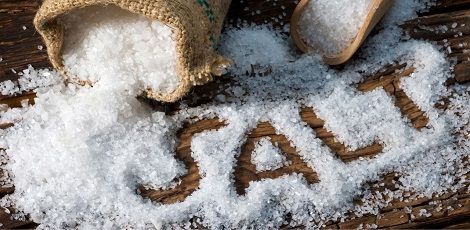
Doctors warn that consuming less than one teaspoon of salt a day can lead to unexpected health issues. It may affect your blood pressure, metabolism, and overall energy levels.
5 Major Risks of Taking Too Little Salt
1 – Low Blood Pressure
When your body doesn’t get enough salt, blood volume can drop, leading to dizziness, fainting, or unusual tiredness.
2 – Electrolyte Imbalance
Low salt intake can disturb sodium-potassium balance, causing muscle cramps, weakness, spasms, or rapid heartbeat.
3 – Metabolism Issues
Very low sodium levels can slow metabolism and affect insulin sensitivity, leading to fatigue and sluggishness.
4 – Hormone Disruption
Extremely low salt intake triggers hormonal changes, increasing stress, tiredness, and fluctuations in adrenal-related hormones.
5 – Risk of Hyponatremia
Severely low sodium can cause hyponatremia, with symptoms like headache, nausea, confusion, seizures, or swelling of the brain.
How Much Salt Should You Consume?
Most adults need around 1,500–2,300 mg of sodium per day (two-thirds to one teaspoon of salt). Requirements may vary based on activity level, climate, and health conditions.
Disclaimer: This article is for information purposes only and not medical advice. Consult a healthcare professional for personalised guidance.


